

Science: Breakthroughs in Small Molecule Drugs
Significant progress was shared on new treatments for CDD, particularly in anti-seizure medications:
- Ganaxolone’s Journey: From a small trial with four patients in 2017 to becoming the first approved drug for CDD in the US and Europe, ganaxolone’s journey is a powerful testament to rapid progress when looking back.
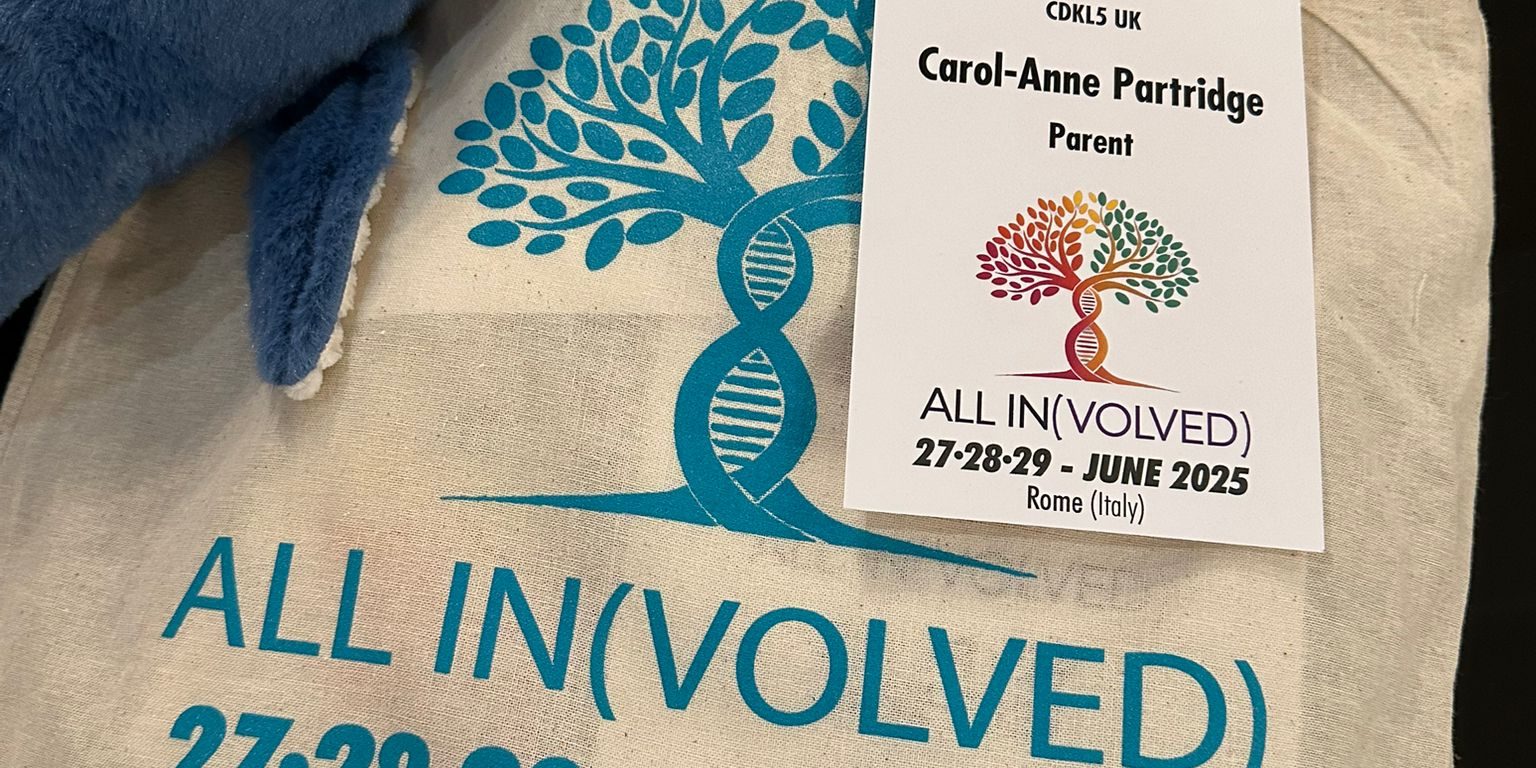
- New Data on Severity: A study led by Carol-Anne Partridge (CDD mum and UK patient group leader) surveyed 132 families to clearly convey the severe impact of CDD to governments and payers. The findings, showing a very low average quality of life for CDD patients, strongly advocate for the urgent need for new medications.
- Fenfluramine Success: Breaking news from the conference was UCB Pharma’s announcement of successful Phase 3 trials for fenfluramine in treating seizures in CDD. This marks a huge step forward, potentially making it the second approved drug for CDD.
- Bexicaserin on the Horizon: Longboard (part of Lundbeck) is developing bexicaserin, a second-generation fenfluramine, now in global Phase 3 trials (the “DEEp OCEAN” trial). This trial includes various rare epilepsy syndromes and could offer another option for individuals with frequent seizures.
Beyond seizure control, the conference also touched on “precision medicine” small molecule drugs designed to directly address the underlying CDKL5 protein’s function, moving towards treating the disease itself, not just the symptoms.
Science: Hope in Gene Therapies and Enzyme Replacement
The future holds promise with advancements in gene therapies and enzyme replacement therapies:
- Gene Therapy Progress: Several gene therapies are in development to deliver a healthy CDKL5 gene copy to the brain. While initial timelines have shifted, progress is being made, with some programs nearing clinical trials.
- Targeting the Inactive X Chromosome: An exciting type of gene therapy specifically for girls with CDD aims to activate the healthy CDKL5 gene copy on the inactive X chromosome. This approach is now in the stage of preparing “clinical grade gene therapy” for safety testing.
- Enzyme Replacement Efforts: Researchers are working on “lab-made CDKL5 protein” therapies. While challenging to develop for human use, a second-generation approach has received significant funding, showing continued dedication to this complex but promising path.
Making Treatment Development and Trials Easier
The forum also highlighted crucial work in animal models for preclinical testing and clinical measures for trials:
- Comprehensive Toolbox: We now have a full range of animal models (zebrafish, drosophila, mouse models) available to test potential treatments before human trials.
- Measuring Clinical Change: Studies like the US-based ICCRN natural history study and the international CANDID study are developing scales to measure CDD severity and track developmental improvements. These studies, involving over 200 patients, are vital for designing effective clinical trials.
- Biomarker Discoveries: The ELPIS global biomarker study and new research on saliva biomarkers are finding ways to measure internal changes in the brain through blood and saliva samples. This allows scientists to see how treatments are working at a biological level.
The Powerful Voice of the Community
The ALL IN 1 COMMUNITY session on the final day underscored the heart of the CDKL5 mission:
- Messages of Hope: Parents from around the world shared “1 minute of hope” videos, reflecting on their journeys and the meaning of hope. Majid Jafar of the Loulou Foundation shared his family’s incredible progress since 2014, emphasising collective effort and perseverance.
- Sibling Perspectives: Moving talks from siblings like Iman Jafar and Alessandro Caridi offered poignant insights into life alongside a brother or sister with CDD, highlighting the unique impact on every family member.
- Scientists’ Reassurance: Dr. Michela Fagiolini reassured families that “drugs tailored for CDD and gene therapy are coming. These are not just abstract hopes, they are real and moving forward.”
- The Power of Connection: Stories from CDKL5 Spain underscored the vital role of patient groups in welcoming new families and offering a “light in the middle of dark,” ensuring no one feels alone.
- Gratitude and Collaboration: The conference closed with heartfelt thanks from Barbara Verdirame (CDKL5 Insieme Verso la Cura), acknowledging the massive collaborative effort needed to advance medicine.
As Antonino Caridi, a CDD grandpa and co-founder of the CDKL5 Alliance, reminded us, “hope” is an active word that drives courage and transformation. The CDKL5 ALL IN(VOLVED) 2025 conference truly showed how far our global community has come, and that the best is yet to come.
You can read the full article by Ana Mingorance, PhD, here: CDKL5 ALL IN(VOLVED) 2025 — DRACAENA


